

Closing or Downsizing a Kitchen: How to Sell the Equipment Properly
Closing or downsizing a restaurant? How to sell commercial kitchen equipment properly, what sells, and the checklist before the lease ends. CaterBids.uk
Six Venues a Day: Why This Guide Exists
At the start of 2026, UKHospitality projected 2,076 hospitality venue closures for the year. That is six a day. By the end of March, the real count was tracking it: more than 350 pubs and restaurants gone in the first quarter alone. Rates, National Insurance, energy, quiet tills.
If you are reading this because your site is closing, or because you are downsizing to survive, this is about the one asset still sitting in the building that can be turned back into money. The kitchen. Handled properly, the kit in a mid-sized commercial kitchen is worth thousands. Handled badly, it goes to a clearance buyer for a fraction of that, or worse, into a skip.
What Sells and What Does Not
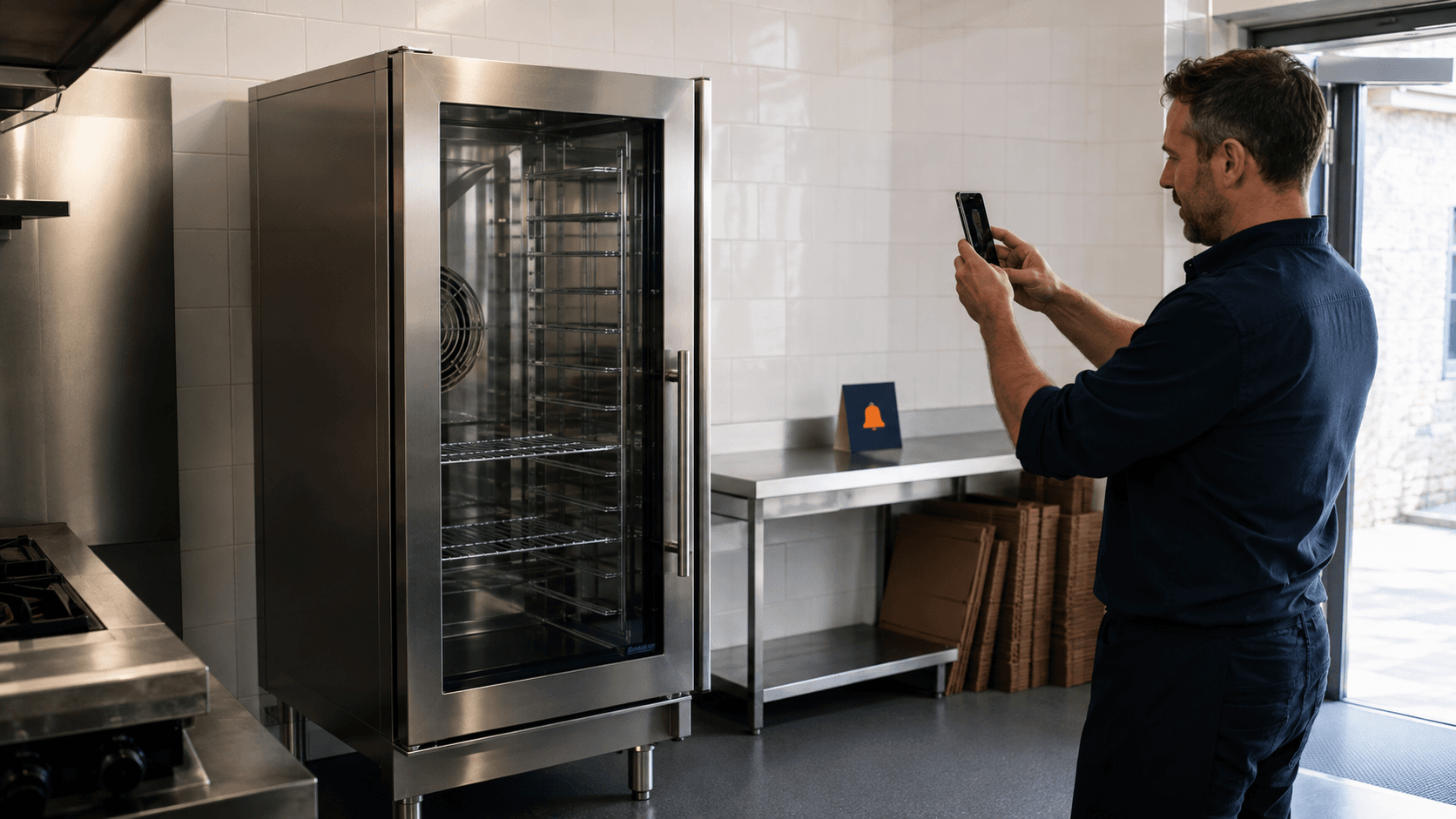
- Refrigeration: Working commercial fridges, freezers and prep counters from names like Foster, Williams, Polar and True sell quickly, because every kitchen needs cold and nobody wants to buy it new at full price. Clean it, photograph it running with the display showing temperature, and it moves.
- The cooking line: Combis, ranges, fryers and griddles from Rational, Lincat, Falcon, Blue Seal and Unox hold their value because UK spares and engineers exist for them. A working Rational is an asset. A dead brand with no parts network is a heavy shelf, and buyers know the difference.
- Stainless: Benches, tables, sinks and shelving always sell. There is no such thing as a kitchen with too much stainless, and it survives transport better than anything else you own.
- Warewashing: Pass-through and undercounter dishwashers sell if they are descaled and working. Show the rinse cycle in a photo or a short clip.
- What struggles: Anything domestic-grade that crept in over the years, bespoke fabrications cut for your exact room, and any gas appliance you cannot show working. Price those to move or let them go with the site.
One Price for the Lot Is the Expensive Way Out
A clearance buyer offers one figure for everything, and that figure is built to cover his risk, his labour and his margin on the pieces he actually wants. The rest he weighs in.
As an example calculation: say a closing kitchen holds a combi, two fridges, a prep counter, a fryer and six metres of stainless. Listed individually to the trade, each piece finds the buyer who actually needs it and pays what it is worth to them. Sold as one lot to a clearance firm, the whole kitchen fetches whatever one man is willing to risk on a Tuesday. The gap between those two numbers is usually the largest sum of money in the whole closing process, and it belongs to whoever does the listing work.
Disconnect It Properly or Lose the Sale
This is where sales fall apart. A gas appliance must be disconnected and the supply capped by a Gas Safe registered engineer, and a buyer who sees a cut flexible hose hanging off a fryer will walk away from the whole lot, because it tells them the site was cleared carelessly. Three-phase equipment needs isolating and disconnecting by an electrician, not unplugging. Cold rooms and ice machines need a refrigeration engineer if any pipework is being split. Water-fed kit gets drained before it moves, or it freezes, leaks and arrives damaged.
Paperwork from those engineers travels with the equipment and adds real money, because it answers the question every used buyer is silently asking: was this looked after on the way out?
Time It Against the Lease, Not the Last Service
Start four to six weeks before handback. Photograph everything in place, clean and working, before the kitchen gets stripped, because a fryer shot working on its own gas supply is worth more than the same fryer shot dusty in a lock-up. List while you still hold the keys, let buyers collect before the lease ends, and you avoid paying to move and store equipment that was always going to be sold anyway. Landlords also tend to look kindlier on dilapidations when the kitchen comes out professionally rather than in a hurry on the last weekend.
The Closing Down Checklist
- Photograph every item in place, clean and working, before anything is disconnected
- Book the Gas Safe engineer and electrician for disconnection dates, and keep the paperwork
- List the sellable kit individually, starting with refrigeration and the cooking line
- Get a clearance quote for comparison, but only after your listings are live
- Drain all water-fed equipment before it moves
- Agree buyer collections before the lease handback date
Sell It, Don't Skip It
Half the searches around a closure are for catering equipment disposal, as though the only options are a skip and a man with a van. Most of what a closing kitchen holds does not need disposing of. It needs listing. The kit you fitted, ran and maintained is exactly what another operator down the road is trying to buy this month without paying new prices. That is the whole trade: BUY • SELL • SAVE, and it works in both directions, even on the way out.
Ready to List?
List your equipment on CaterBids and keep 100% of every sale. Zero final value fees, no cut of your sale: you pay to list from £5. Upload your photos and CaterBot writes the listing, which matters when you have a whole kitchen to get through. If you are on the other side of one of these closures, the marketplace is where that kit ends up.
Ready to Sell Your Equipment?
Free to list while the first hundred listings are running, then from £5 a listing, and no final value fee at any point, so what a seller makes is what they keep.
Prepare Your Equipment
- Clean stainless surfaces
- Disconnect safely
- Photograph the data plate
- Box loose parts
- Measure and weigh
- Prepare for pallet collection